
Weddings · 9 min
Planning a Kenyan traditional ceremony from abroad
Ruracio, ngurario, koito, ayie and more — a respectful guide for diaspora couples bringing family traditions home, and for partners meeting them for the first time.
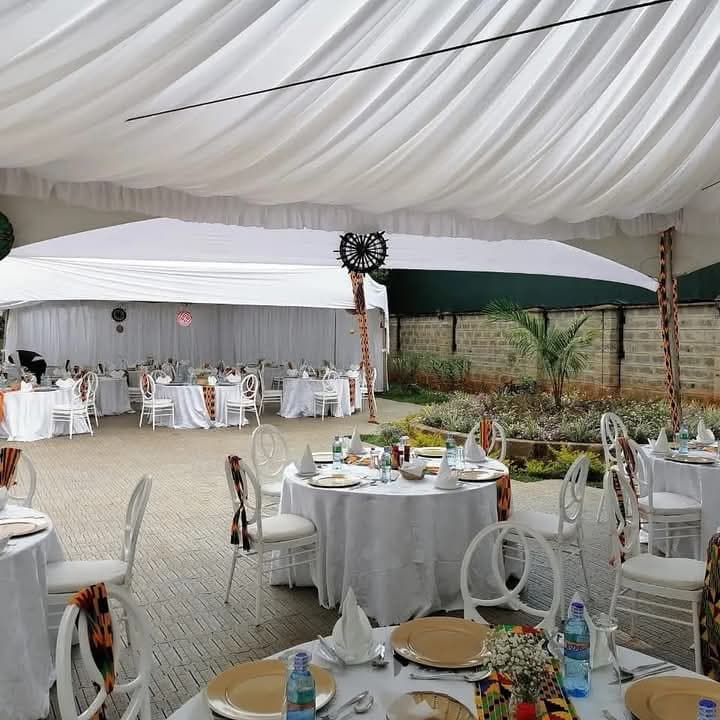
For many Kenyans living abroad, a wedding is not one day but a journey home. Before or alongside the white wedding, there is often a traditional ceremony: families meeting, elders speaking, gifts exchanged, songs at the gate and blessings that tie two families together.
If you live in London, Toronto, Dubai or Houston, planning that from a distance raises real questions. When should it happen? Who speaks for you if your parents are abroad too? How do you explain it to a partner, or to guests, who have never seen one? This guide is here to help you think it through.
First, a note on respect
Kenya has more than forty communities, and each has its own customs. Even within one community, traditions differ from region to region and family to family. The descriptions below are a general introduction, not a rulebook. Your parents, aunties, uncles and elders are the authorities on how your family does things, and their guidance always comes first.
Our role as planners is to support the family's tradition, not to direct it. We handle the logistics so that your elders can focus on what only they can do.
Common elements across many communities
Although the details vary, many Kenyan traditional ceremonies share a familiar shape. The groom's family announces its intention and visits the bride's family. Spokespeople from both sides discuss the dowry, often with humour, theatre and long negotiation. Gifts are presented. A meal is shared, often including a slaughtered goat or ram. Elders give blessings and advice to the couple. And there is music, dancing and plenty of food for everyone who comes.
Traditional ceremonies are usually large, open and generous. Neighbours, extended family and friends may all attend, and it is common to host far more guests than at the white wedding.
Some ceremonies you may hear about
Among the Kikuyu, ruracio refers to the dowry process, which may unfold over more than one visit. It is often followed by ngurario, a celebration that seals the union. In many ngurario ceremonies, the groom must find his bride among a group of women whose faces are covered — a joyful moment that guests love.
Among the Kalenjin, koito is the engagement and dowry ceremony at which families formally agree to the marriage. It often includes blessings from elders and the sharing of mursik, the traditional fermented milk.
Among the Luo, ayie marks the bride's family accepting the groom's proposal, and dowry is traditionally discussed in terms of cattle, even where cash is now often used.
These are just three examples. Luhya, Kamba, Kisii, Meru, Maasai, Mijikenda, Somali, Swahili and many other communities have their own beautiful traditions, and many couples bring together two different ones.
Timing: one trip or two?
The biggest decision for diaspora couples is whether the traditional ceremony and the white wedding happen on the same trip.
Holding them in the same trip — for example, a ruracio on Saturday and a church or garden wedding the following weekend — means one long-haul flight for you and your overseas guests, and it is increasingly popular. The cost is pace: two major events close together need careful planning and a team on the ground.
Holding them on separate trips gives each ceremony its own space and is often what families prefer, especially when dowry discussions happen over more than one visit. It also means more travel and more time off work.
December is a popular choice because many Kenyans abroad travel home for the holidays, so family is already there. It also means busy venues, high fares and tight supplier availability, so book early.
Who speaks for you?
Traditional negotiations are led by family representatives. If your parents also live abroad, or if family circumstances are complicated, decide early who will represent you: an uncle, an aunt, a respected family friend or an elder from your community. Give them time to prepare and make sure they are comfortable with the role. This is a family decision, and one to settle before any dates are fixed.
Welcoming a partner or guests from another culture
If your partner is not Kenyan, or comes from a different community, the traditional ceremony can be one of the most meaningful days of the whole celebration. Help them prepare: explain what will happen, who will speak, what to wear and what is expected of them. A short printed or digital programme, or a relative assigned to guide them, makes international guests feel welcome rather than lost.
Traditional attire is part of the joy. Matching outfits in kitenge, kikoy or community-specific dress for the couple, the families and sometimes the guests are common, and Nairobi's tailors can make them beautifully — but allow time for fittings, especially if you are measuring from abroad.
Is a traditional ceremony a legal marriage?
Kenya's Marriage Act, 2014 recognises customary marriages, and they need to be registered with the Registrar of Marriages. Whether your particular ceremony completes a customary marriage depends on your community's customs and the steps taken. If legal recognition matters to you, for example for immigration or name changes abroad, confirm the requirements with the Registrar or a lawyer. Many diaspora couples also hold a civil or church wedding, which gives them a certificate that is straightforward to use overseas.
Practical things to plan
Venue: many ceremonies are hosted at the bride's family home, which may need tents, chairs, lighting, power and toilets for a large crowd. Catering for a guest list that is hard to predict. Transport for elders and relatives travelling from other towns. Sound and an MC who understands the customs and can explain them gently to guests. Photography and, increasingly, a livestream for relatives who cannot travel. And a weather plan, because most ceremonies happen outdoors.
Dowry and gifts themselves are a family matter. What we can help with is everything around them: the setting, the programme, the hospitality and the timing.
How Marit helps
We work alongside your family to make the day run smoothly: tents and décor that honour your heritage, catering, guest transport, programme and timing, traditional attire coordination, photography and livestreaming, and on-the-day orchestration. If your white wedding is part of the same trip, we plan both together so the days flow into each other instead of competing.
Tell us which traditions you are bringing together, where your family is based and when you hope to travel home. We will listen first, and then help you plan a celebration that your elders, your guests and you will remember.
Continue reading
Related from the journal

Ready to plan your celebration?
Tell us what you're imagining — we'll orchestrate the rest.